
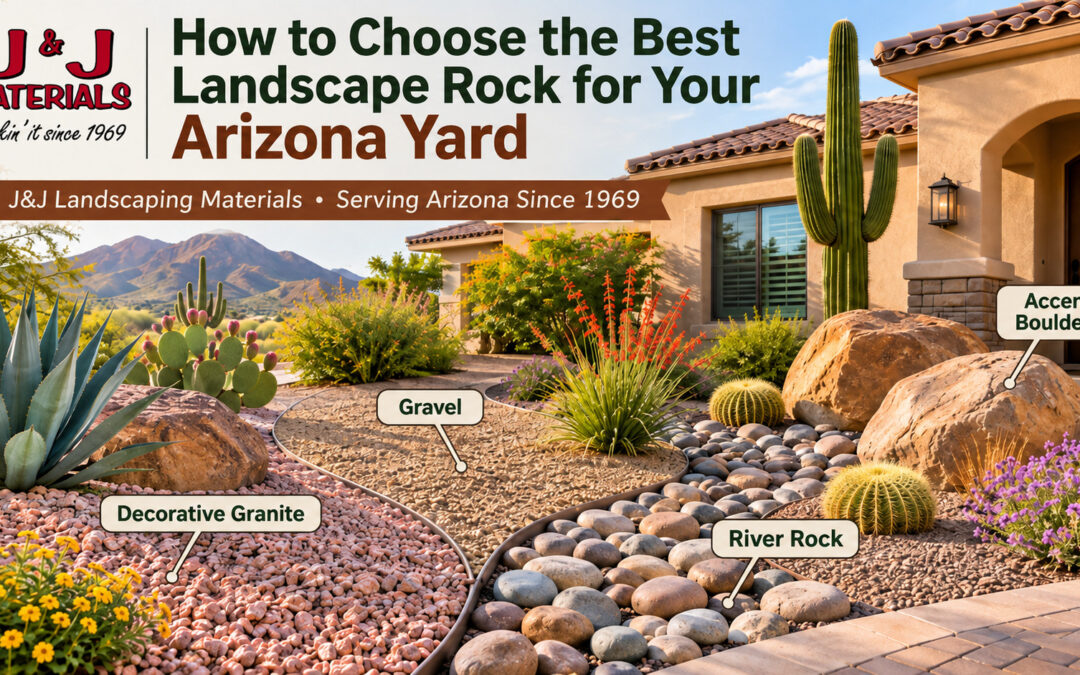
TL:DR: Imagine stepping into a sun-drenched Arizona yard—a carefully curated landscape rock design increases curb appeal, curbs erosion, and survives the heat. There’s more to selecting the right stone than meets the eye—this guide reveals every step to turn your outdoor space into a desert oasis.
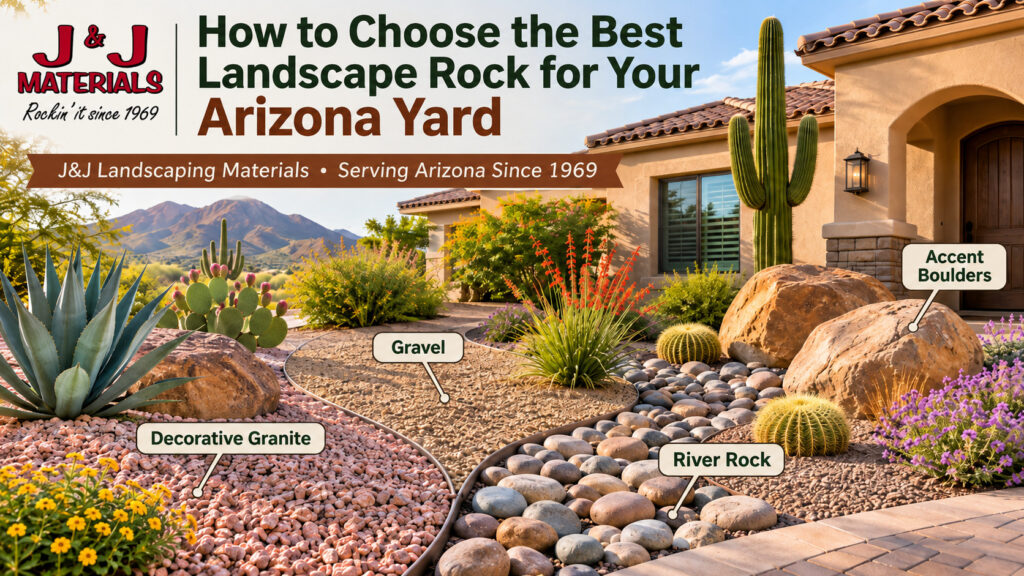
Transform Your Arizona Yard: Why Knowing How to Choose the Best Landscape Rock Matters
The exterior of your home in Arizona deals with bright sun, heat waves, and arid soil. Choosing the right landscape rock isn’t just about looks—it’s about lasting value, function, and easy maintenance. Not all rock is created equal, and your selection affects drainage, plant health, durability around fire pits, and even cooling costs. Whether you’re reimagining a dry creek bed, bordering flower beds, or designing an inviting back yard, the best landscape rock brings all your design dreams to life, transforms curb appeal, and handles the harshest local elements. This guide arms you with the knowledge to confidently select the optimal material, estimate needs (down to the cubic yard), and execute a plan that marries form and function—all with the help of free AI landscape tools and top landscaper recommendations.
From calculating bulk rock needs to understanding differences between river rock, decomposed granite, and bedding sand, you’ll learn the steps that save time, money, and future hassle. We’ll explain how quality choices like stabilized DG, crushed gravel, and pea gravel hold up in Arizona soil. Plus, get pro tips on prepping your project, integrating free AI landscape visualizer tools, and designing around features like a fire pit or dry creek bed. Let’s turn your vision for the perfect desert yard into reality.
What You’ll Learn About How to Choose the Best Landscape Rock for Your Arizona Yard
- The different types of landscape rock options available in Arizona
- Benefits and drawbacks of river rock, decomposed granite, and bedding sand
- How to estimate cubic yard needs for your project
- Tips for integrating ai landscape tools in your design process
- Expert recommendations for fire pit compatibility
- Maintenance, installation, and preparation tips specific to Arizona soil
Understanding Landscape Rock Options for Arizona Yards
Most Popular Landscape Rock Choices in Arizona
“The rocks you choose shape both the style and function of your Arizona yard.”
Arizona’s unique climate demands desert-friendly landscape rock that can stand up to scorching heat, low rainfall, and occasional monsoons. Among the most common options for residential projects are river rock, decomposed granite, and bedding sand. River rock is prized in dry creek beds and garden borders for its smooth, rounded shapes and natural tones, while decomposed granite (or stabilized DG) brings a fine, rustic look to pathways and ground cover. Bedding sand works behind the scenes—it offers a stable, well-draining foundation under heavier rocks or as a subtle top layer in flower bed designs. Each material varies in color, reflectivity (which can impact yard temperature), and suitability for xeriscaping or creating lush, low-water-use back yards. Decorative varieties like pea gravel or crushed gravel provide additional options for creative landscaping.
When comparing these rocks, consider how each complements cacti, agave, and native plants. Lighter tones can reflect sunlight and help cool your space, while deeper hues create striking contrast in garden beds. Whether you’re after bulk rock for a new road base or looking to accentuate a fire pit, matching the rock type to your functional goals is essential. Thoughtfully chosen rock can redefine your yard’s aesthetics and even reduce long-term maintenance by suppressing weeds and minimizing soil erosion.
River Rock, Decomposed Granite, and Bedding Sand Explained
Understanding when and where to use each material makes all the difference. River rock, with sizes ranging from pea-sized to several inches, works beautifully for accenting flower beds, designing dry creek beds, or forming sturdy, attractive walkways. It rarely shifts, even under heavy foot traffic, and is a go-to for garden beds needing a tidy appearance. Decomposed granite (including stabilized DG), is perfect for creating smooth, natural-looking garden pathways or as a decorative mulch. It packs tightly, offers excellent drainage, and complements the earthy hues of Arizona soil. Bedding sand is essential as a base layer for larger stones and pavers, boosting stability in high-traffic areas like patios or beneath a fire pit.
Each material responds differently to Arizona’s climate. For example, river rock’s smooth surface helps divert rainwater, preventing erosion in dry creek formations. Decomposed granite resists displacement when installed correctly, providing a cozy, walkable surface that’s cooler underfoot than some alternatives. Bedding sand offers drainage that protects your plants and prevents weed growth—a major asset for low-maintenance landscaping rock beds. By matching the right rock to your needs, you ensure both a beautiful and practical outdoor living space that lasts.
If you want to dive deeper into the specific benefits and design ideas for river rock in Arizona landscapes, explore this comprehensive guide to river rock applications for inspiration and practical tips tailored to local conditions.
Planning Your Arizona Yard: How to Choose the Best Landscape Rock for Function and Form
- Factors to consider: drainage, sun exposure, plant safety
- Linking landscape rock selection with features such as fire pits
- Understanding cubic yard volume calculations for your project
- Incorporating AI landscape design tools for planning
Every Arizona yard is unique, and success depends on planning. Begin by evaluating practical needs like drainage—coarse river rock or bedding sand over compact soil may be crucial for desert rain events. Sun exposure matters, too; darker decomposed granite may retain more heat around patios, while lighter gravel cools the area. When planning around fire pits or outdoor living spaces, your choice of rock can increase both safety and style. For projects ranging from a flower bed refresh to a full back yard overhaul, measuring your area accurately is critical, so you don’t over- or under-order bulk rock.
Today, free AI landscape design tools and virtual visualizer apps help you experiment with color and layout before you buy. Enter your yard measurements, upload photos, and preview how river rock, crushed gravel, or stabilized DG will look in your space. This tech helps you match cubic yard calculations to your design and reduces costly mistakes. By using these digital aids, you ensure that every landscaping rock you purchase fits your vision, your space, and your budget, while also syncing aesthetics with practical priorities like weed suppression and plant safety.
Cubic Yard Calculations: How Much Landscape Rock Do You Need?
| Cubic Yard Estimation Table for Landscape Rock | ||
| Area Size (sq. ft.) | Rock Depth (inches) | Cubic Yards Needed |
|---|---|---|
| 50 | 2 | 0.31 |
| 100 | 3 | 0.93 |
| 200 | 4 | 2.47 |
Mastering cubic yard measurements ensures you get the right amount of landscape rock—neither too little to leave spots bare nor so much that delivery becomes a hassle. The table above helps you match common area sizes and ideal layer depths (usually 2-4 inches) to cubic yard totals for river rock, crushed gravel, or decomposed granite. For best results, calculate the square footage of each project area—even flower beds or narrow borders—and multiply by desired depth. Divide by 324 (since one cubic yard covers 324 square feet at a 1-inch depth). Online calculators and free AI landscape visualizer tools can take the guesswork out, letting you plan confidently and order bulk rock with ease. Proper calculations prevent waste and help your project’s beauty and functionality shine.
Installation: What to Put Down Before Landscape Rock in Arizona
- Preparation tips for different rock types (river rock, decomposed granite, bedding sand)
- Weed barrier fabrics and their pros/cons
- Soil and drainage preparations specific to Arizona’s climate
- How bedding sand supports stability under larger rocks
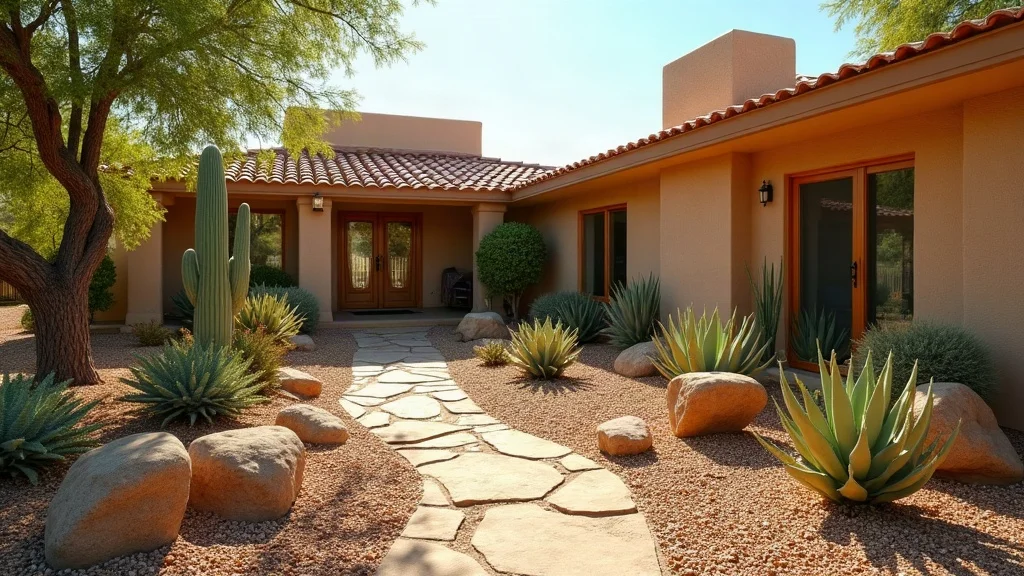
Success with landscape rock installation starts with the right groundwork. For river rock or crushed gravel, it’s best to clear the area of weeds and compact the soil first. Using a weed barrier fabric can drastically cut down on maintenance, but it may also restrict water and air flow to your plants if not chosen carefully. Decomposed granite performs beautifully over a base layer of stabilized DG, which prevents shifting and erosion during intense rain. Bedding sand is crucial for stabilizing both large stones and pavers, as it ensures a level surface while allowing for drainage—key in the Arizona climate where sudden storms can unleash torrents of water.
Always check that your sub-base is graded away from structures to prevent pooling. A well-prepped area reduces weed growth, cushions fire pit zones, and provides longevity to your entire landscape. Spread rock evenly and avoid creating mounds that can trap water. Remember: installation shortcuts often lead to extra work down the road, while thoughtful prep delivers lasting results and keeps your desert yard stunning season after season.
Special Features: Using Landscape Rock for Fire Pits and Outdoor Living Spaces
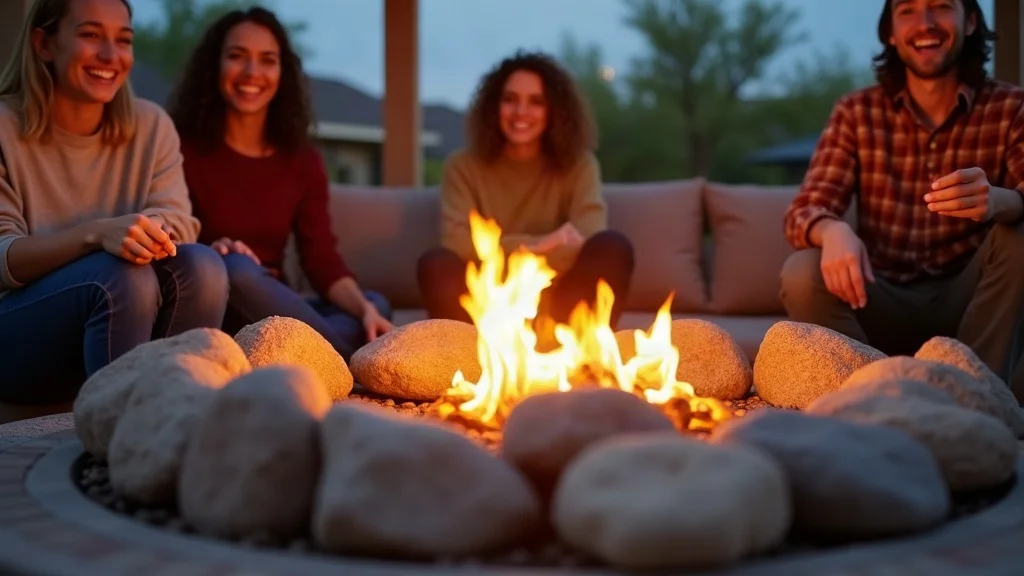
If your dream yard includes an outdoor fire pit or entertainment space, choosing the right landscape rock is essential. Not all rocks perform the same under high heat—a consideration especially relevant around fire pits or barbecues. Decomposed granite and mid-size river rock are industry favorites, providing excellent resistance to cracking from heat exposure while anchoring patio furniture and withstanding foot traffic. The right rock can also elevate your design, blending seamlessly with native plantings and enhancing nighttime ambiance in your back yard.
Beyond durability, color and stone size matter for visual cohesion. Lighter stones can brighten up evening gatherings, while 1–2 inch river rock offers a balanced blend of thermal stability and contemporary style. Whether you’re creating a cozy seating circle or a functional cooking zone around the fire, the correct landscape rock amplifies comfort, safety, and the overall value of your Arizona property.
Most Popular Size and Type of River Rock for Fire Pits
When it comes to fire pit design, mid-size river rock (1–2 inches) stands out. This size is large enough to resist heat diffusion and won’t shift easily underfoot, making it perfect for patios and walkways surrounding a fire feature. Neutrals and earth tones blend with the Sonoran landscape, while the smooth surface is easy to maintain. As color trends lean toward subtle browns, grays, and creams, you have ample options to complement any outdoor furniture or plant palette for an inviting evening retreat.
Consider using select river rock as a ring or border around your fire pit—this not only enhances visual impact but also marks a clear heat-safe zone. Many homeowners integrate a border of decomposed granite for added texture and to connect walkways or garden beds in a cohesive outdoor design. Pairing rock with drought-tolerant plants or succulents helps bring together a cozy, desert-modern outdoor living space.
Maintenance Tips for Ensuring Your Arizona Landscape Rock Lasts
- Cleaning debris without disturbing your rock layers
- Refreshing decomposed granite and replacing eroded river rock
- Mitigating weed growth under bedding sand foundations
Even the toughest landscape rock benefits from yearly TLC. Use a leaf blower or gentle rake to clear debris without disrupting carefully placed river rock or bedding sand. If your decomposed granite appears thinned by wind or rain, replenish it with fresh bulk rock to keep paths and garden beds level. When weed growth appears, spot treat or add extra sand to patch problem areas beneath larger stones. Proactive maintenance preserves aesthetics and function—ensuring every flower bed, dry creek, or fire pit perimeter looks its best day in, day out.
Remember to inspect for shifting or settling after monsoons and fill in gaps as needed with stabilized DG or additional crushed gravel. If persistent weeds emerge through older fabric, consider a modern, more effective weed barrier. With a little routine attention, your Arizona yard will not only maintain its curb appeal but continue protecting your home’s value for years to come.
People Also Ask: Answers About Choosing the Best Landscape Rock for Arizona Yards
What is the most popular rock that people use for landscaping?
River rock consistently ranks among Arizona’s most popular landscape rock due to its versatility and smooth appearance, favored for pathways and garden beds.
What kind of rocks do you find in Arizona?
Common landscape rocks in Arizona include decomposed granite, river rock, lava rock, pea gravel, and bedding sand, each suited for specific climate and drainage challenges.
What is the most popular size of river rock for landscaping?
Most homeowners prefer 1–2 inch river rock for landscape beds and walkways due to its balance of stability, drainage, and coverage.
What to put down before landscape rock?
Install a quality weed barrier and assess soil compaction before placing landscape rock. For areas needing extra stability, a bedding sand layer or well-draining sub-base is recommended.
Expert FAQs on How to Choose the Best Landscape Rock for Your Arizona Yard
- Does landscape rock attract/preserve heat in Arizona?
- How can AI landscape design help me visualize rocks in my yard?
- Which rock type is best for low-maintenance yards?
Many landscape rocks like decomposed granite and darker river rock absorb and retain heat, which can raise surface temperatures near patios or walls. To reduce this, opt for lighter-toned gravels or install shade-producing plants nearby. AI landscape design tools and free visualizer apps allow you to upload photos of your yard, test different rock types, and visualize final results before investing in bulk rock—saving you time and money by ensuring product and location are matched perfectly. For homeowners seeking low-maintenance options, decomposed granite and bedding sand with a quality weed barrier beneath are top picks, suppressing most growth and ensuring year-round curb appeal.
Key Takeaways for Arizona Homeowners
- How to choose the best landscape rock: Identify key function and aesthetics
- Match cubic yard volume to your specific project
- Prep the ground with fabric or bedding sand for durability
- River rock, decomposed granite, and bedding sand solve specific design challenges
- Leverage AI landscape tools for confident planning
Ready to Enhance Your Arizona Yard?
Call us at 480-985-8330 or Visit jandjmaterialsinc.com to start your project with the best landscape rock for your Arizona yard!
If you’re interested in exploring a wider range of landscaping materials and want to see how different products can elevate your outdoor space, take a look at the full collection of landscaping products and solutions available for Arizona homeowners. Discover advanced options, compare materials side by side, and get inspired by creative applications that go beyond traditional rock choices. Whether you’re planning a complete yard transformation or simply want to upgrade a single feature, these resources offer valuable insights and next-level ideas to help you achieve a truly standout landscape.